What does an IP54 rating mean, and is it rain-proof?
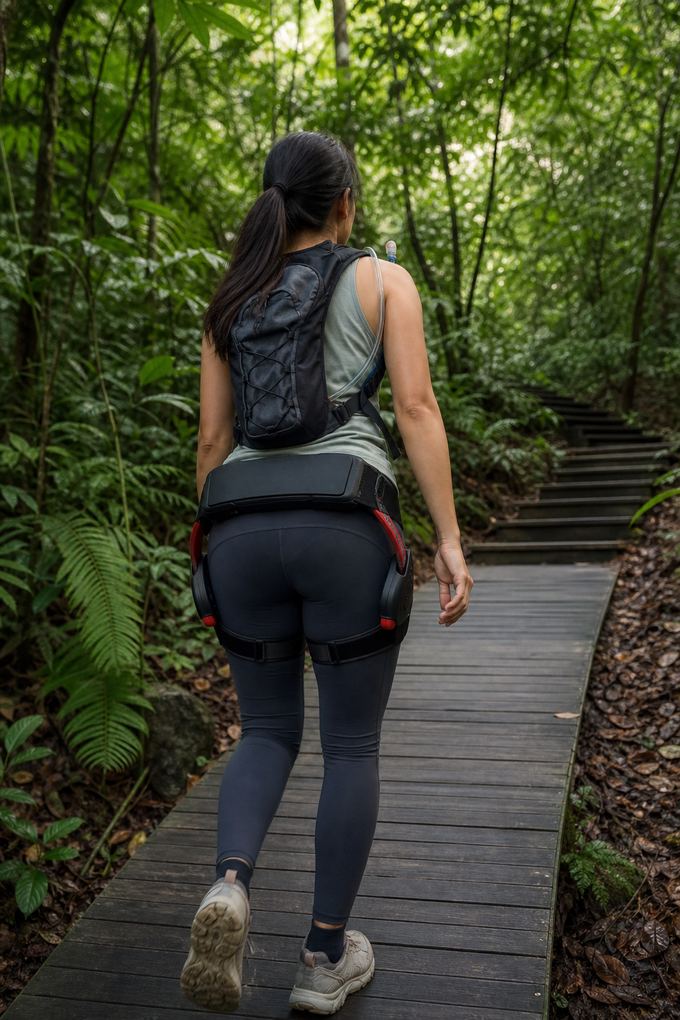
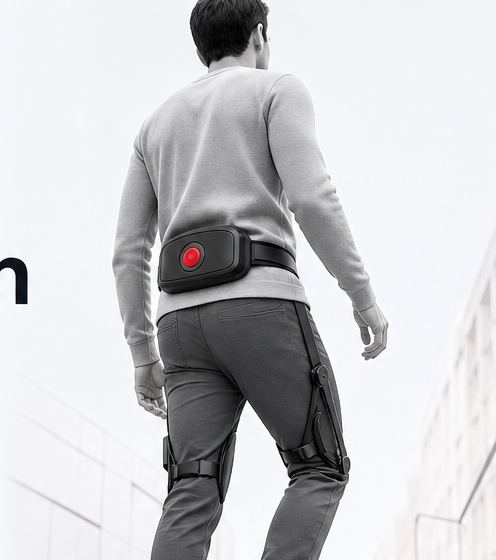
IP54 means two things. The 5 is dust: dust cannot enter in a quantity that interferes with operation. The 4 is water: protected against splashing water from any direction. In practice that covers a Singapore afternoon downpour, a humid platform, and trail dust — but not submersion, not a pressure hose, and not being left in a puddle. For a device you are meant to wear every day, IP54 is the difference between one that goes out in the rain and one that stays home.
Reading the two digits
IP stands for Ingress Protection, and the digits are independent:
- First digit (5) — solids. Dust-protected: some ingress is allowed, but not enough to affect operation.
- Second digit (4) — liquids. Protected against water splashed from any direction, tested from every angle.
- What it does not certify — immersion (that starts at 7), pressure jets (6), or long-term standing water.
Why this rating matters more here
In a temperate climate an unsealed device is inconvenient. In Singapore it is unusable. Rain arrives without much notice, most walking routes include an unsheltered stretch, and ambient humidity sits high enough year-round that condensation is a real consideration for any powered wearable. Sealing is not a premium feature here; it is the entry requirement.
Living with it sensibly
Walk in the rain; do not wade. Wipe it down and let it air-dry rather than sealing it damp into a bag. Trail dust and sweat salt are handled by the same rating, but a rinse after a coastal or beach walk is still sensible. None of this adds weight — the unit is still 2.4 kg with the sealing in place.